The 9-Minute Rule for Bed Bug Services
Table of ContentsThe 3-Minute Rule for Bed Bug ServicesTop Guidelines Of Bed Bug ServicesWhat Does Bed Bug Services Do?4 Simple Techniques For Bed Bug Services
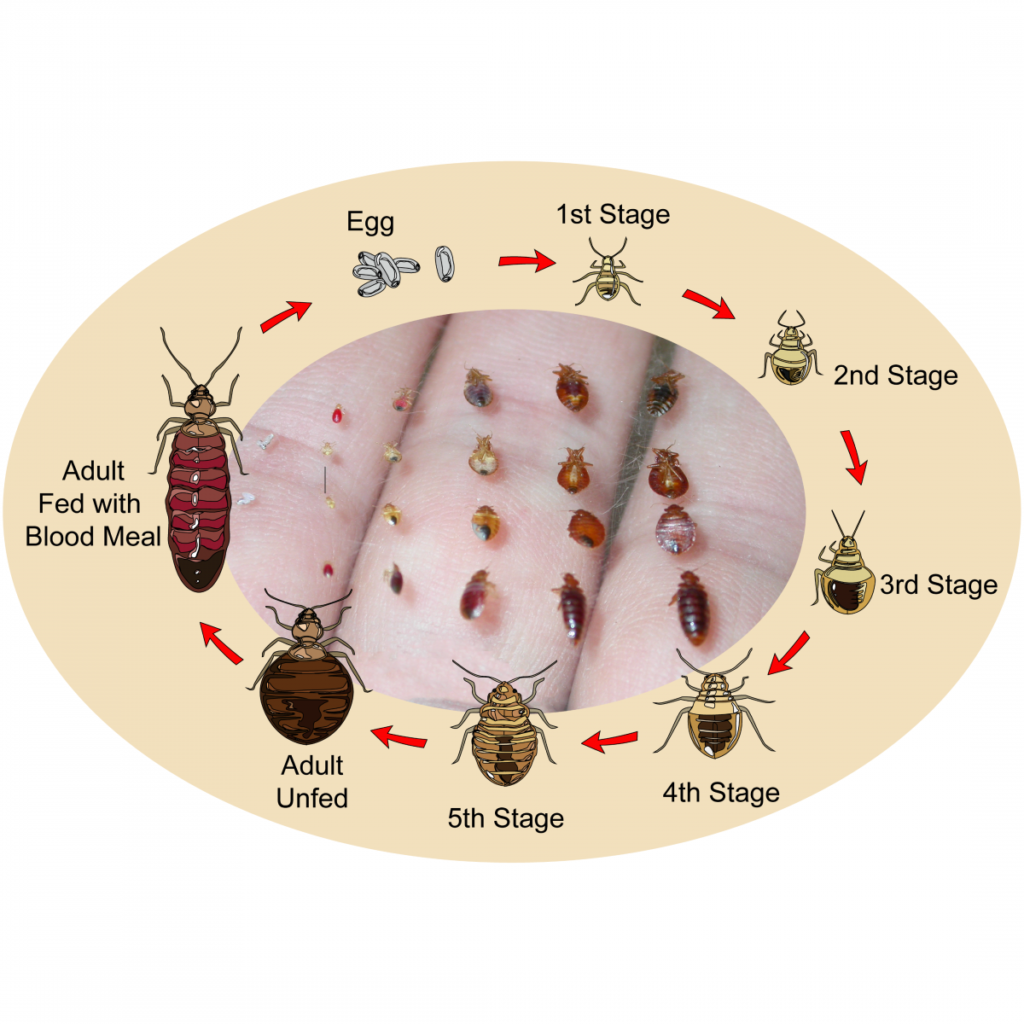
A thorough bed bug inspection by experts is much more than a simple walkthrough and relies on expertise. Bed bugs are small, elusive, and adept at hiding that seek cracks, crevices, and furniture seams. Because of their hidden habits, detailed examination is necessary to determine the presence and extent of an infestation. Professional inspectors use a combination of tools, procedures, and knowledge to detect bed bugs accurately, reducing the risk of escalation.The first step in a proper inspection involves familiarizing oneself with the biology of bed bugs. Bed bugs belong to the order Hemiptera and progress through eggs, several nymphs, and adult stages. Adults are around five millimeters long, flat, reddish-brown, and wingless with slender legs and antennae. Their mouthparts are designed to pierce skin and extract blood, producing skin irritation and visible marks. Knowing these traits guides professionals in locating infestations.
Early detection is essential for effective management. Professionals carefully check for signs such as dark spots of fecal matter, molted skins, and eggs (Bed Bug Services). Even one female can produce dozens of eggs quickly, leading to rapid infestations if unchecked. Evidence of shed exoskeletons or leftover eggs shows that the infestation is current and demands thorough examination
Preparing for an inspection requires attention to detail. Inspectors often advise removing items that block access, which facilitates examination of hard-to-reach areas. Bedding and linens may be washed in hot water and dried on high heat, and then kept in plastic bags to maintain cleanliness. Wall decor, mirrors, and pictures are sometimes moved to inspect behind frames. Vacuuming furniture and floors may capture visible bugs and eggs, and vacuum bags should be disposed of immediately outside.
How Bed Bug Services can Save You Time, Stress, and Money.
The inspection itself is comprehensive and careful. Inspectors start with beds and adjacent furniture, checking seams, folds, handles, and crevices. Upholstered furniture, including couches and chairs, is inspected thoroughly, including underneath and inside cushions. Baseboards, moldings, the edges try this out of wall-to-wall carpeting, electrical outlets, closets, and storage areas are also included in the inspection, as these can be key areas for infestation.
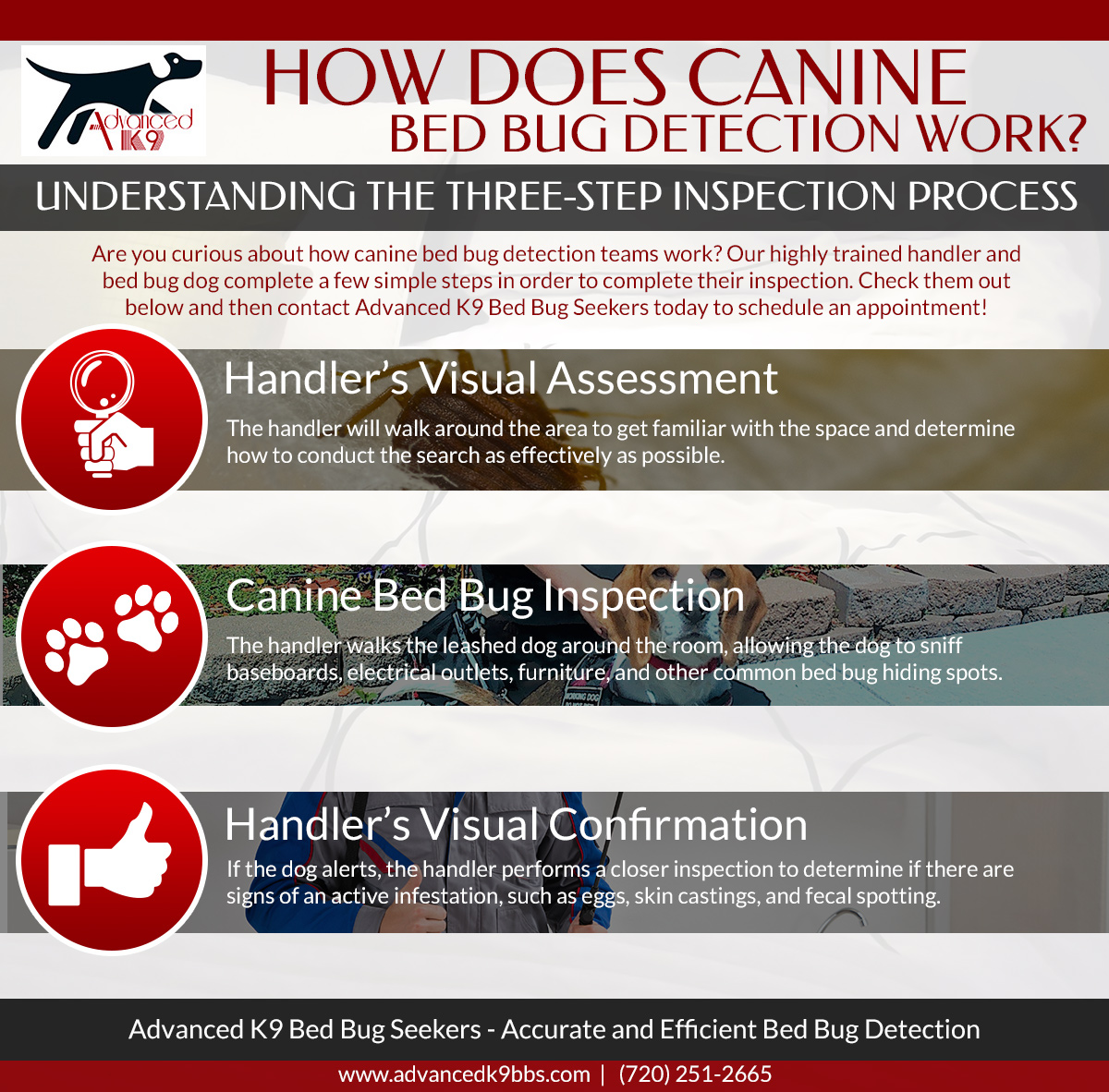
Specialized tools improve inspection effectiveness. Flashlights, magnifying lenses, multi-tools, and mirrors allow examination of tight spaces. Monitoring devices like interceptor traps or sticky pads help track bed bug activity over time. Some companies bring in canine teams, which detect even small infestations, distinguishing them from non-active traces.
.png?r=RGXqEV3/M/U=)

Meticulous documentation is a key component. Inspectors maintain detailed notes of findings, areas affected, and next steps. This ensures accountability and helps with client communication. Residents are often asked to avoid disturbing potential infestation signs, as this maintains inspection effectiveness.
After inspection, a monitoring plan may be recommended to verify infestations and observe trends. Continuous monitoring identifies surviving insects after treatment, and asking residents about bites and click to read sightings helps pinpoint problem areas. Cooperation from residents ensures accuracy.
All About Bed Bug Services
Professional inspections are more reliable than self-inspections. Trained inspectors spot subtle signs overlooked by untrained eyes, avoid unnecessary treatments, and confirm the situation accurately.
Bed bug inspections are particularly important in high-risk environments. Inspectors check neighboring rooms and shared spaces to confirm complete assessment (Bed weblink Bug Services). This stops further spread
In summary, a professional bed bug inspection requires knowledge of bed bugs, property preparation, careful examination, tool utilization, record-keeping, and follow-up monitoring. Each step supports early detection, informs treatment, and reduces future risk.
The Buzz on Bed Bug Services